
Miami & South Florida Residential Real Estate, Guided by a Broker Who Knows Financing
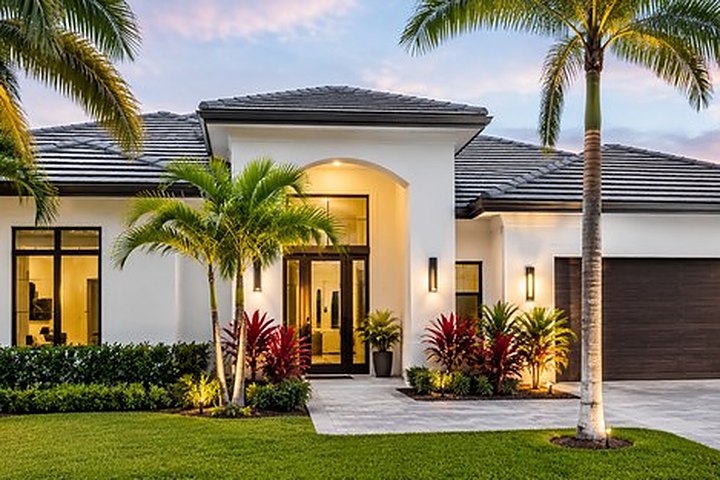
We’ve been in the South Florida mortgage business since 1998, and most deals we see here don’t fall apart over price. They fall apart over things nobody checked early enough: an appraisal that comes in low, a condo building the lender won’t touch, an insurance quote that blows up the budget, or a tax bill that doubles after closing. Our team has both a licensed real estate broker and a licensed loan originator, so we look at those things before you make an offer, not after.
Southeast Real Estate Advisors works with buyers, sellers and investors all over Miami-Dade and Broward, in English, Spanish and Portuguese. When you work with us, we help you answer two questions at the same time: Is this the right home? and Can this deal actually close on the terms you want?
Why Work With a Broker Who Also Understands Lending
Plenty of agents can show you a nice home. Not many can tell you, before you sign anything, whether the condo association’s budget will get past a lender, or what your payment really looks like once the taxes reset to your purchase price. That’s where we’re different:
- Real numbers before you fall in love. We estimate your full monthly cost, including principal, interest, taxes, insurance, HOA dues and flood coverage if you need it, before you get attached to a property.
- Condo screening up front. We check whether a building is likely to qualify for conventional, FHA or VA financing, so you don’t burn your deposit deadline chasing a loan that was never going to close.
- Loan options for real South Florida buyers. Self-employed, foreign national, investor and first-time buyers often need different programs. Our financing partner, Southeast Funding Group, works with FHA, VA, conventional, jumbo, DSCR, bank statement and foreign national loans.
- Offers sellers take seriously. Listing agents can tell the difference between a generic pre-approval letter and one from a lender who has actually reviewed your file.
The Real Cost of Owning a Home in South Florida
The price on the listing is just where the math starts. These are the costs we see catch buyers off guard most often in Miami-Dade and Broward:
| Cost | What to know | How we help |
|---|---|---|
| Property taxes | Taxes are reassessed after a sale. The seller’s bill doesn’t transfer to you, so estimate taxes on your purchase price. | We estimate your post-purchase tax bill before you make an offer. |
| Homestead exemption | It’s not automatic. File with the county property appraiser by March 1 of the year you want it to apply. Under Amendment 3, the non-school exemption rises to $150,000 in 2027 and $250,000 in 2028. Buyers without a permanent Florida residence as of December 31, 2026 start at up to $50,000. | We walk you through filing and explain which exemption track applies to you. |
| Homeowners insurance | Insurers often require a 4-point inspection on older homes and give credits for wind mitigation features such as impact windows and roof straps. | We get insurance quotes early so your payment estimate is realistic. |
| Flood insurance | Required for a federally backed mortgage when the home is in a FEMA Special Flood Hazard Area. Even outside those zones, it’s often worth having. | We check the flood zone on every property we write an offer on. |
| HOA and condo fees | Association dues, reserves and special assessments can change your budget more than the interest rate does. | We review the budget, reserves and any pending assessments with you. |
| Closing costs | Florida charges documentary stamp tax on the deed and on the mortgage note, plus intangible tax on new mortgages, along with title and lender fees. | You get an itemized estimate early, not at the closing table. |
Exemption amounts reflect Amendment 3 as approved by Florida voters in November 2026 and may be affected by implementing legislation. This is general information, not tax or legal advice.
Buying a Condo in Miami? Check These Things First
Financing a condo in Miami is a different animal than financing a house. After the Surfside collapse, Florida passed condo safety laws that require milestone structural inspections and structural integrity reserve studies for many older buildings. Those rules have led some associations to raise dues or levy large special assessments, and they affect whether lenders will finance units in a building.
Before you make an offer on a condo, we help you check:
- Lender approval. Is the building likely to be warrantable for conventional financing, or approved for FHA or VA loans?
- Reserves and assessments. Is the association funding its reserves, and are any special assessments approved or under discussion?
- Inspections. Has the building completed any required milestone inspection, and what did it find?
- Rental rules. If you plan to rent the unit, what minimum lease terms and approval rules apply?
- Your plan B. If a building is non-warrantable, a non-QM condo loan may still work, usually with a larger down payment.
Which Loan Fits Your Situation?
There’s no such thing as the best mortgage, only the right one for you. It depends on how you earn your money, where you live today and what you plan to do with the property. Use this as a starting point, then let’s talk through your situation.
| If you’re… | Programs to ask about | Why it can fit |
|---|---|---|
| A first-time buyer | FHA, conventional low down payment, Florida down payment assistance | Lower down payment options and more flexible credit guidelines |
| A veteran or active-duty service member | VA loan | No down payment required for eligible borrowers and no monthly mortgage insurance |
| Self-employed | Bank statement loan | Qualifies on deposits instead of tax returns that show heavy write-offs |
| An investor buying a rental | DSCR loan | Qualifies on the property’s rental income rather than your personal income |
| Buying from outside the U.S. | Foreign national loan | Designed for buyers without U.S. credit history or residency |
| Buying above conforming limits | Jumbo loan | Financing for higher-priced homes in areas like Coral Gables, Key Biscayne and Miami Beach |
Program availability, terms and eligibility depend on your credit, income, property and current lender guidelines. Not a commitment to lend.
Buying a Home in South Florida: How We Work
- Start with numbers. A short call to understand your goals, timeline and budget, followed by a financing review so you know your real price range.
- Narrow the search. We match neighborhoods and property types to how you live: commute, schools, flood risk, HOA rules and resale potential.
- Screen before you tour. We flag condo approval issues, flood zones and insurance concerns before you spend a weekend at showings.
- Write a strong offer. Pricing based on recent comparable sales, terms that protect your deposit and a pre-approval that listing agents take seriously.
- Close without surprises. We coordinate the inspection, appraisal, insurance, title and lender so that by closing day there’s nothing left to chase.
Selling Your South Florida Home
Buyers today show up with a lot of financing questions, and homes that are easy to finance tend to sell faster. Here’s how we list a home:
- Pricing from current comparable sales, not from what a neighbor hoped to get.
- A financing-ready listing. For condos, we gather association documents early so buyers’ lenders can review them quickly. For houses, we recommend a pre-listing 4-point and wind mitigation inspection where it helps.
- Marketing that reaches local and international buyers, with professional photography, targeted digital campaigns and outreach in English, Spanish and Portuguese.
- A second look at every offer. The highest price isn’t always the best offer. We help you figure out which buyer is most likely to actually close.
Homes and Properties We Help With
- Single-family homes from starter homes in Kendall and Homestead to estates in Pinecrest and Coral Gables.
- Condos and luxury condos in Brickell, Edgewater, Miami Beach, Sunny Isles Beach and Aventura. See our Miami luxury condos guide.
- Luxury homes in Coral Gables, Coconut Grove, Key Biscayne and Miami Beach. See our Miami luxury homes guide.
- New construction and pre-construction, including deposit schedules and financing timelines.
- Residential income properties such as duplexes, triplexes and small multifamily buildings, often financed with DSCR loans.
- Rentals for tenants who want to learn the area before they buy.
- Foreclosures and short sales, which need careful due diligence and patient negotiation.
South Florida Neighborhoods at a Glance
Every area here has its own feel, price range and trade-offs. These are the ones where we spend most of our time:
- Doral: our home base. Popular with families and international buyers for its schools, newer communities and quick access to the airport.
- Brickell and Downtown Miami: high-rise living and walkability. Condo due diligence matters most here.
- Coral Gables and Coconut Grove: established neighborhoods with mature trees and a range of homes, from historic to new.
- Pinecrest, Palmetto Bay and Kendall: larger lots and family-oriented neighborhoods south of the city.
- Miami Beach, Key Biscayne, Sunny Isles Beach and Aventura: coastal living, where flood zones and building reserves deserve a close look.
- Fort Lauderdale and Broward County: waterfront homes, urban condos and suburban communities across a wide range of prices.
Explore more in our Miami neighborhoods guide.
Frequently Asked Questions
How much do I need for a down payment on a home in Miami?
It depends on the loan. Eligible veterans may qualify for a VA loan with no down payment, FHA loans start at 3.5% down for qualified borrowers, and some conventional loans allow as little as 3%. Investment properties, jumbo loans and non-warrantable condos usually require more. A quick call with our loan officer will tell you where you stand.
Why will my property taxes be higher than the seller’s?
Florida reassesses a home after it sells. The seller may have years of Save Our Homes protection and a homestead exemption that don’t transfer to you. Estimate your taxes on your purchase price, then file for your own homestead exemption by March 1.
Can I get a mortgage on any condo in Miami?
Not always. Lenders look at the building’s budget, reserves, insurance, litigation and owner-occupancy. Some buildings don’t meet conventional, FHA or VA guidelines. Non-QM condo loans can be an option, usually with a larger down payment. We check this before you make an offer.
I’m self-employed. Can I still buy a home?
Yes. If your tax returns understate your income because of business deductions, a bank statement loan can qualify you using 12 or 24 months of deposits instead.
Can a foreign buyer get a mortgage in Florida?
Yes. Foreign national loan programs are designed for buyers without U.S. credit or residency. They typically require a larger down payment and documentation of income and assets from your home country.
What closing costs should I expect in Florida?
Expect title insurance, lender fees, prepaid taxes and insurance, and Florida’s documentary stamp and intangible taxes on the mortgage. Who pays which costs is negotiable in the contract. We give you an itemized estimate before you sign.
Ready to buy or sell in South Florida?
Get a licensed broker and a licensed loan officer on the same call. We’ll go over your goals, run your real numbers and give you a straight answer, even if that answer is to wait.
Call 305.281.2245 | info@sereadvisors.com | 3785 NW 82nd Ave., Suite 212, Doral, FL 33166
Monday through Saturday, 9:00 am to 8:00 pm. Hablamos español.
Southeast Real Estate Advisors is a licensed real estate brokerage. Mortgage services are provided by Southeast Funding Group, NMLS #1993986. Lazaro Sosa, NMLS #1177535. Equal Housing Opportunity. This page is for general information only and is not tax, legal or financial advice. All loans are subject to credit approval and program guidelines. Last updated November 2026.